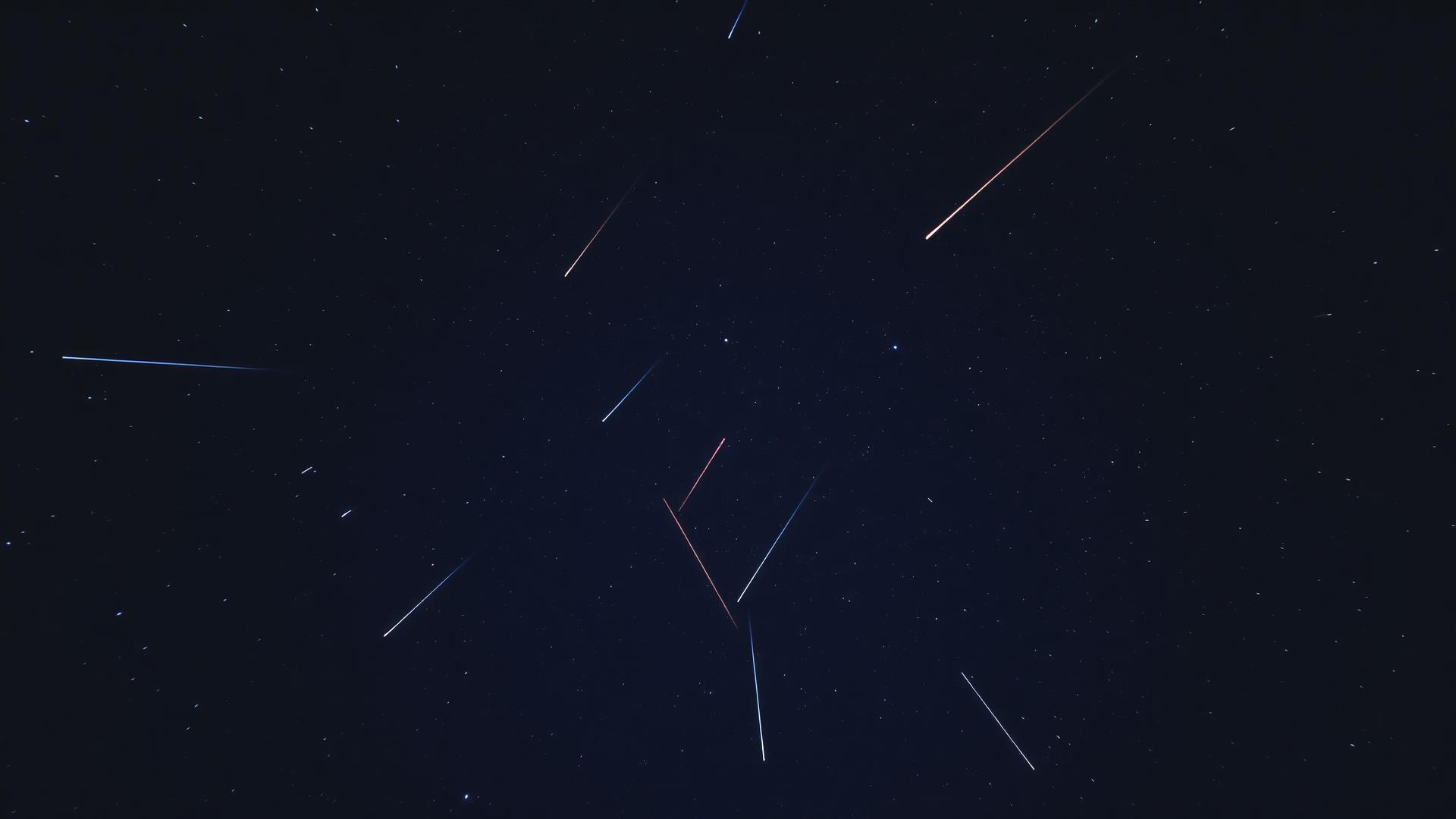
Southern Delta Aquariids
Peak in 1dRadiant in Aquarius · ZHR 25 · 41 km/s
Moon: moderate
Waxing gibbous Moon — best in the hours before dawn.
Sky Watch · live
Meteor showers and eclipses — what's visible from where you are.
Sharp peak only ~6 hours wide. Pre-dawn from the northern hemisphere is best.
Occasional bright fireballs. Watch the second half of the night.
Strongly favours the southern hemisphere and tropical latitudes.
Broad plateau of activity overlaps with the early Perseids.
Most popular northern shower. Plenty of bright meteors and fireballs.
Variable shower. Best viewed in the evening, not pre-dawn.
Fast meteors with persistent trains. Visible worldwide.
Fastest of the major showers. Storm years are decades apart.
The year's most reliable shower. Bright, slow, colourful meteors.
Northern circumpolar radiant — visible all night from mid-northern latitudes.
First major shower of 2027. Sharp 6-hour peak.
Totality across Greenland, western Iceland, and northern Spain. Partial across Europe, North Africa, and most of North America.
The headline eclipse of 2026. Totality lasts up to 2m 18s over northern Spain near sunset.
Visible across the Americas, western Europe, western Africa, and the Pacific.
About 93% of the Moon's diameter is shadowed at maximum — a deep partial just shy of totality.
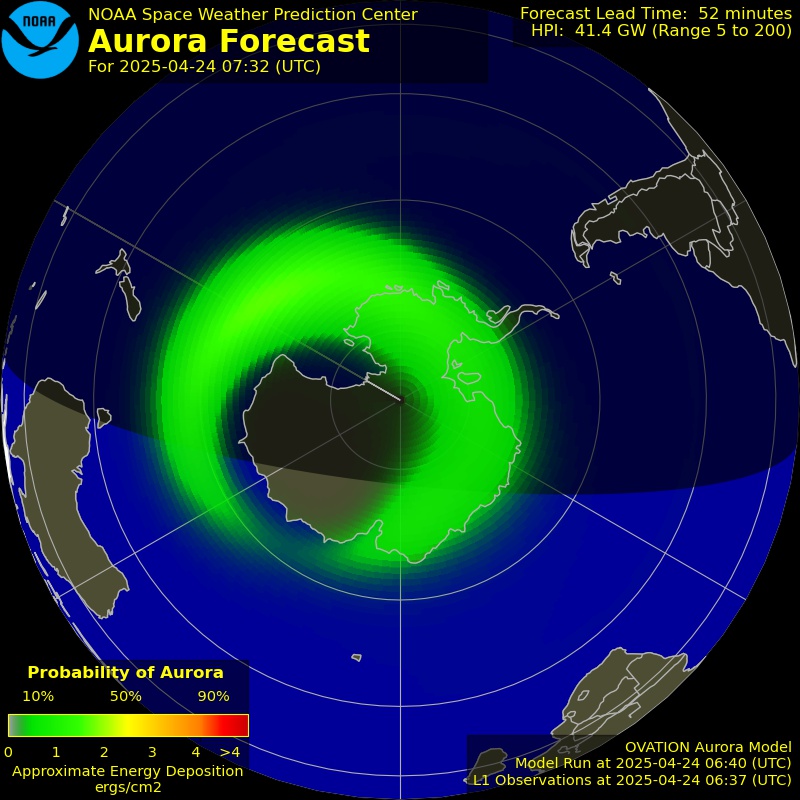
The green band on the map is the auroral oval — where aurora is actively occurring overhead. If you are within ~500 km of the band's equatorward edge, you can often see aurora low on the poleward horizon.
Higher Kp pushes the oval to lower latitudes. Kp 5+ brings aurora into the northern US and northern Europe; Kp 7+ can reach the mid-latitudes.