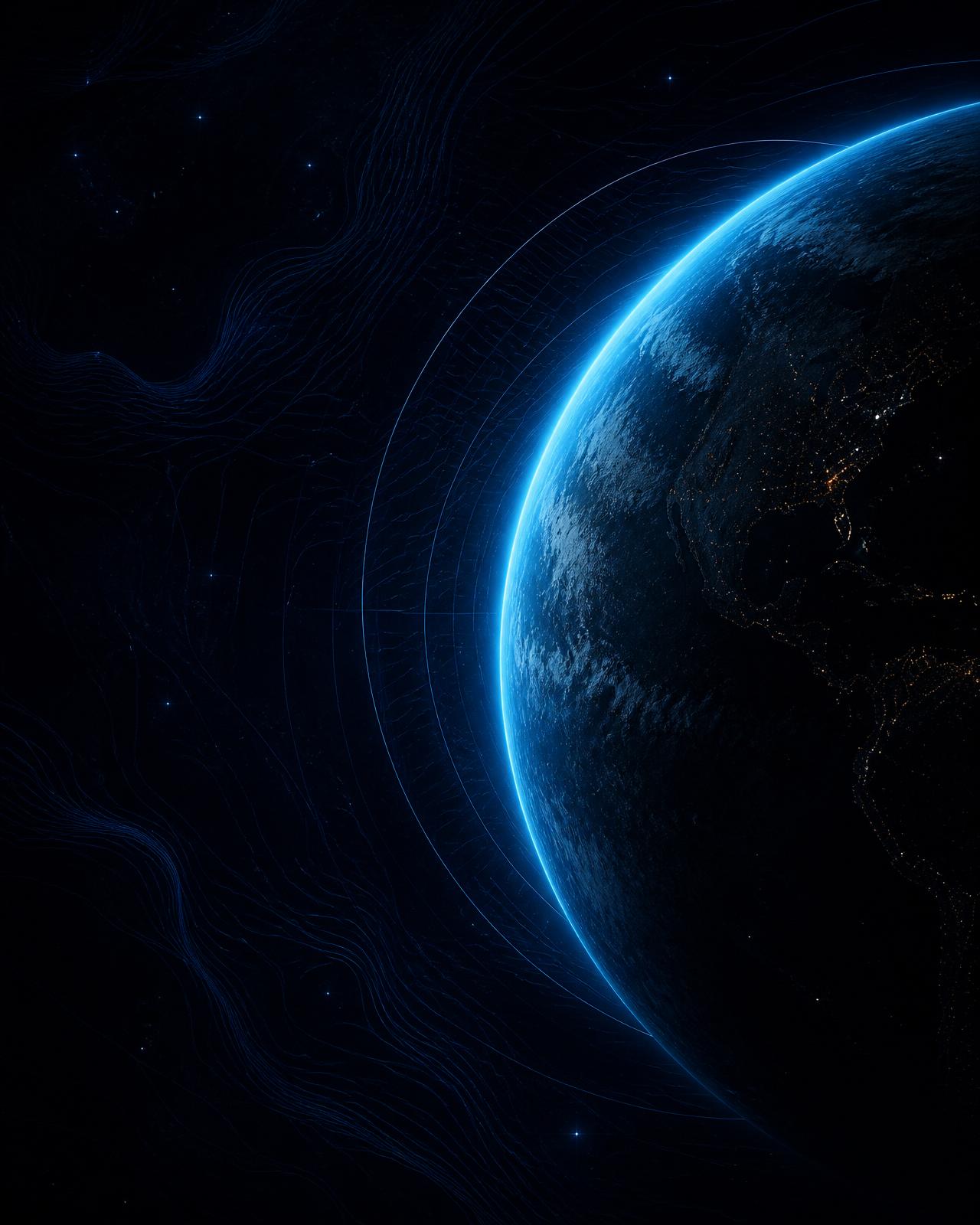
Geocosmic · live
The world,
listening to itself.
A live sensorium of the planet and the universe around it — Earth's heartbeat, the Sun's weather, and signals from deep space. All in one quiet place.
What is Geocosmic
One screen for the systems we live inside of.
Most of what shapes a day on Earth is invisible — the Sun's mood, the magnetic field around us, the atmosphere above us, the quiet tremor under a continent.
Geocosmic pulls live data from NOAA, NASA, USGS, LIGO and other open observatories, and stitches it into one calm, readable view. No accounts. No noise. Just signal.
Explore

Earth: Live planet data
→Geomagnetic storms, solar wind, earthquakes, sea level, and your local weather.
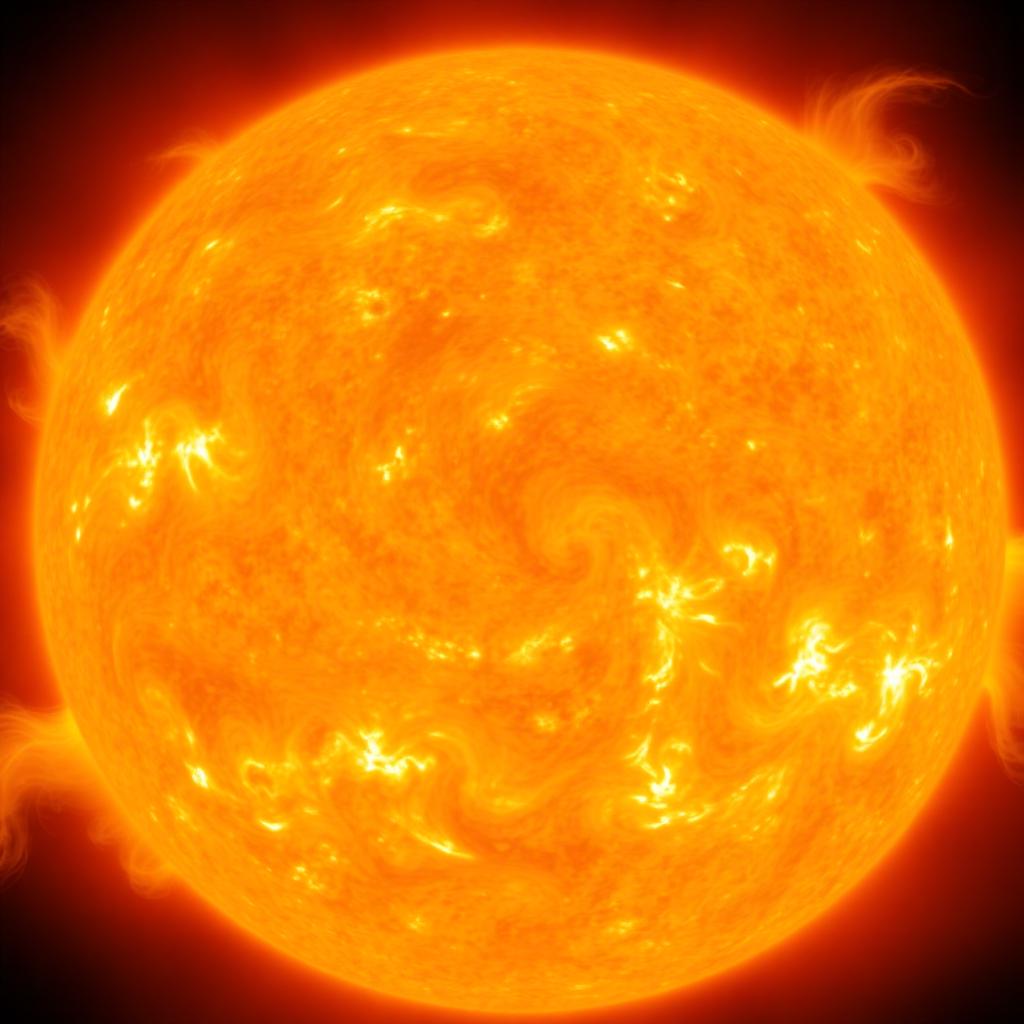
Sun: Solar activity & imagery
→X-ray flux, flare class, sunspots, and live SDO imagery in four wavelengths.

Cosmos: Deep-space signals
→Near-Earth objects, cosmic rays, transient bursts, gravitational waves, and deep-field light.

Humans: Population & planetary limits
→Population, longevity, atmosphere, and where we sit on the planetary boundaries scale.
Popular research pages
Focused topic pages for students & researchers.
- →Solar Flare Tracker
Live X-ray flare class and recent M/X events.
- →Sunspot Number Today
Daily sunspot count and Solar Cycle 25 status.
- →World Population Stats
Live UN-based world population estimate.
- →Earthquake Map Today
USGS 24-hour global seismic activity.
- →Meteor Showers Tonight
Active showers and the next peak.
- →Aurora Forecast
Kp index and northern lights visibility.
How it works
Public observatories, distilled.
Live feeds from NOAA SWPC, NASA SDO, USGS, LIGO/GraceDB, Open-Meteo, and more.
Numbers become plain language: 'M-class flare', 'storm-level Kp', 'quiet cavity', so you can read at a glance.
Every section says what it is, where it came from, and when it last updated. Nothing hidden.
Created by Nicholas Tyo